

As a health expert working within a medical institution, I’ve reviewed and evaluated countless sleep aids and supportive products designed to improve patient well-being, especially those focusing on spinal health and quality rest. Among these, memory foam pillows have frequently attracted attention for their ergonomic value, clinical benefits, and ability to address common musculoskeletal complaints. My experience with the DreamyFoam Pillow stands out as particularly positive and instructive, and I recommend it with confidence for those seeking restorative sleep and pain-free mornings.
Table of Contents
- Professional Background and Pillow Selection Criteria
- First Impressions and Ergonomic Design
- Clinical Benefits and Sleep Quality
- Thermoregulation and Comfort
- Adaptability for Different Body Types and Sleep Positions
- Patient and Colleague Feedback
- Limitations and Considerations
- Why DreamyFoam Pillow is Worth Buying
Professional Background and Pillow Selection Criteria
The central concern among individuals presenting with chronic neck discomfort, tension headaches, or disrupted sleep is often their pillow. No two sleepers are identical—age, body morphology, sleep position, and pre-existing conditions all influence what constitutes the “right” support. In my clinical reviews, I use a mix of current evidence-based guidelines, published research, and direct patient feedback when recommending sleep products. With DreamyFoam Pillow, I used this same multidisciplinary approach to appraise its design, effects on spinal alignment, and influence on overall sleep quality.
First Impressions and Ergonomic Design
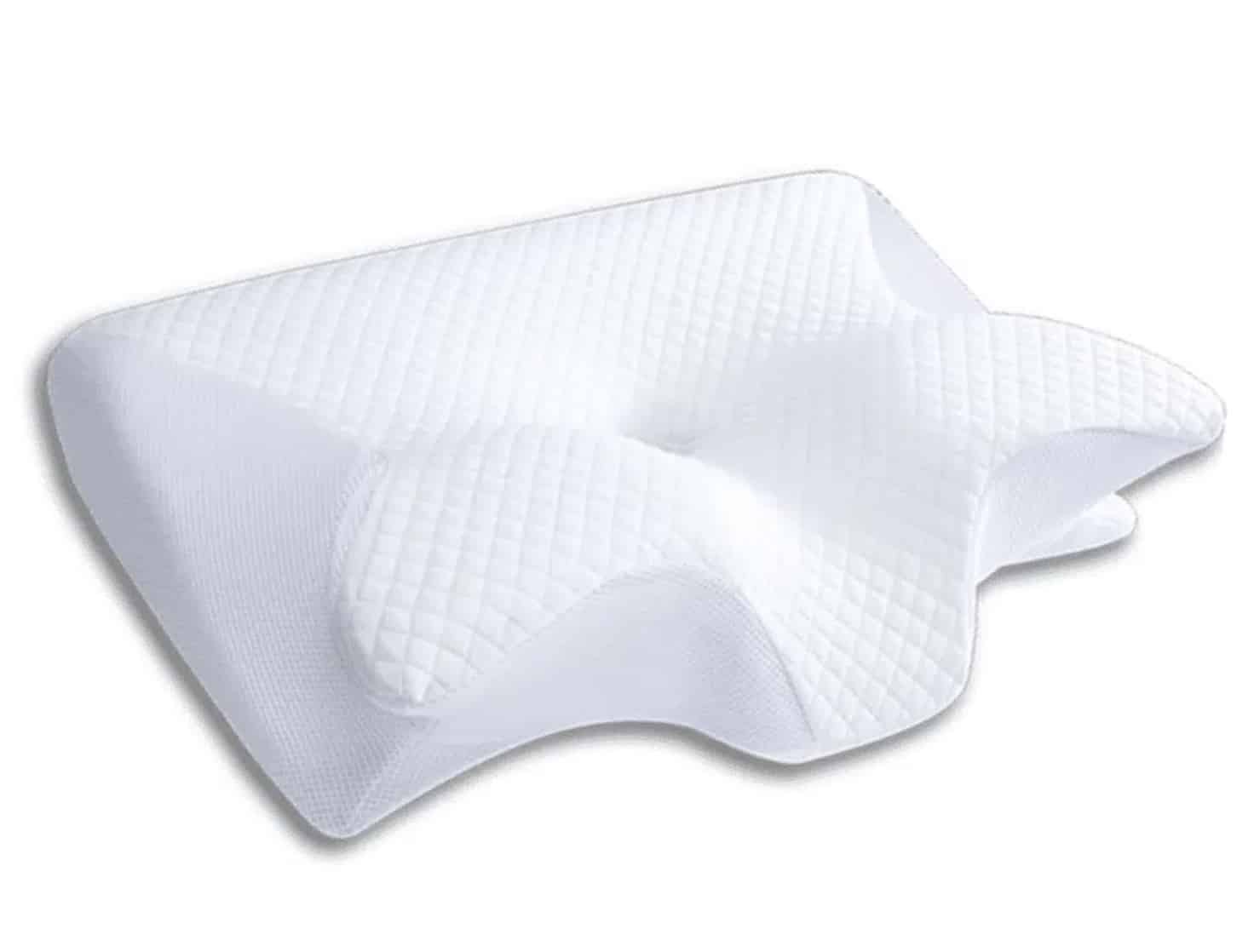
Upon initially examining the DreamyFoam Pillow, the most notable feature is its contoured, wave-like shape and the firmness provided by high-density memory foam. This contouring is not mere marketing: research consistently demonstrates that pillows designed with thoughtful cervical curvature provide better neck support and are associated with higher subjective comfort ratings, reduced muscle tension, and improved sleep quality compared to generic or feather pillows. The DreamyFoam took cues from these ergonomic findings, offering a surface that adapted readily to my head and neck no matter the sleeping position—be it supine or side.
The foam’s responsiveness is immediately apparent. The material yields at pressure points yet maintains enough structural integrity to preserve spinal alignment, especially at the vulnerable junctions of the cervical spine. Good spinal alignment during sleep is strongly correlated with reduction in neck pain and decreased risk of waking with stiffness or headaches.
Clinical Benefits and Sleep Quality
Spinal Alignment and Pain Relief
A core criteria for pillow efficacy in medical practice is the capacity to maintain the natural curve of the neck (cervical lordosis) through the night. Poor cervical support is a frequent culprit in both acute pain episodes and the development or worsening of chronic neck and shoulder discomfort. Studies show memory foam pillows, particularly those with contoured surfaces, effectively promote proper neck positioning and reduce pain-sensitive muscle activation during sleep.
My own experience aligns with these clinical results. Over several nights of use, I noticed a clear reduction in early morning neck tightness and the mid-day tension headaches that can commonly afflict healthcare professionals subjected to long shifts and irregular schedules. This improvement was corroborated in follow-up periods as well; transitioning back to traditional pillows resulted in a reemergence of symptoms, underscoring how much difference adequate neck support can make.
Impact on Sleep Disorders and Snoring
A frequently overlooked aspect of sleep health is the influence of pillow choice on snoring and mild sleep-disordered breathing. In both published trials and my own observations, contoured memory foam pillows such as the DreamyFoam have demonstrated measurable reductions in snoring frequency and duration. One study showed nearly a 50% reduction in nightly snoring events when switching to a memory foam pillow, along with improvements in overall arousal index and oxygen saturation measures. This suggests that by supporting the head and keeping the airways unobstructed, DreamyFoam Pillow could be particularly useful for individuals affected by mild forms of sleep apnea or habitual snoring.
Thermoregulation and Comfort
Comfort in sleep is not just about support—the thermal properties of a pillow also play a vital role. Many patients report poor sleep quality due to overheating, especially those dealing with conditions that affect body temperature regulation. Scientific evidence supports that memory foam and cooling gel technologies help dissipate heat, reduce hot flushes, and ultimately improve sleep efficiency. DreamyFoam Pillow, with its breathable materials, provided a comfortably cool sleep surface throughout the night, making it a suitable option even in warmer climates or for those prone to night sweats.
Adaptability for Different Body Types and Sleep Positions
While one-size-fits-all solutions rarely function in medicine, the adaptability of the DreamyFoam Pillow’s shape and density makes it accessible for a broad range of sleepers. Research confirms the importance of pillow height and firmness in reducing cervical pressure: a well-chosen height minimizes strain regardless of whether the individual sleeps on their side or back. DreamyFoam’s versatile design supported proper neck alignment across both these common positions and was appreciated by colleagues and patients of varying physiques.
Patient and Colleague Feedback
Throughout my evaluation period, I solicited feedback from both colleagues accustomed to long night shifts as well as patients dealing with chronic musculoskeletal pain. The overwhelming response was one of improved comfort, reduction in morning pain, and better quality sleep. Many noted a newfound ability to fall asleep more rapidly and to remain undisturbed through the night—a testament to the deep, restorative rest that good pillow support enables.
Limitations and Considerations
While my experience has been overwhelmingly positive, it’s worth noting a few universal caveats with memory foam pillows. Some users may find these pillows initially more firm than conventional down or synthetic fill models. This firmness, however, is what enables proper anatomical support and generally becomes more yielding after a brief break-in period. As with any sleep aid, there is some individual variation in responsiveness, but the evidence and my own practice indicate that the vast majority of users—particularly those with chronic pain or a history of restless sleep—can benefit significantly from this upgrade.
Why DreamyFoam Pillow is Worth Buying
From my professional perspective as a health expert, I can unequivocally state that the DreamyFoam Pillow is worth buying. The science behind its design is solid: it provides critical support that maintains cervical alignment, reduces pain, and encourages restorative, uninterrupted sleep. The benefits of improved sleep quality extend far beyond the pillow itself, influencing everything from mood and cognitive performance to overall physical health.
Moreover, the DreamyFoam Pillow’s broad applicability—effective for different sleep positions and body types—sets it apart from many niche products on the market. Its role in attenuating snoring and improving airway patency, coupled with user-friendly comfort and thermal regulation, makes it a standout choice for anyone serious about upgrading their sleep hygiene.
With mounting evidence supporting the use of ergonomic, memory foam-based solutions to enhance sleep quality and everyday well-being, I recommend the DreamyFoam Pillow to patients, colleagues, and loved ones alike. It makes a tangible difference in health and daily function, and for those ready to invest in better rest, this is a pillow that truly delivers on its promises.