
As a health expert specializing in musculoskeletal wellness and rehabilitation, I am always scouting for innovative, evidence-based solutions that promise genuine relief for those suffering from chronic back pain. Over the past month, I had the unique opportunity to test and analyze the Hatch Belt—a device positioned as a modern remedy for various back issues. In this review, I share my firsthand experience, results from personal testing and observation, and my professional opinion on why the Hatch Belt stands out among available options.
Initial Impressions: Unboxing and Features
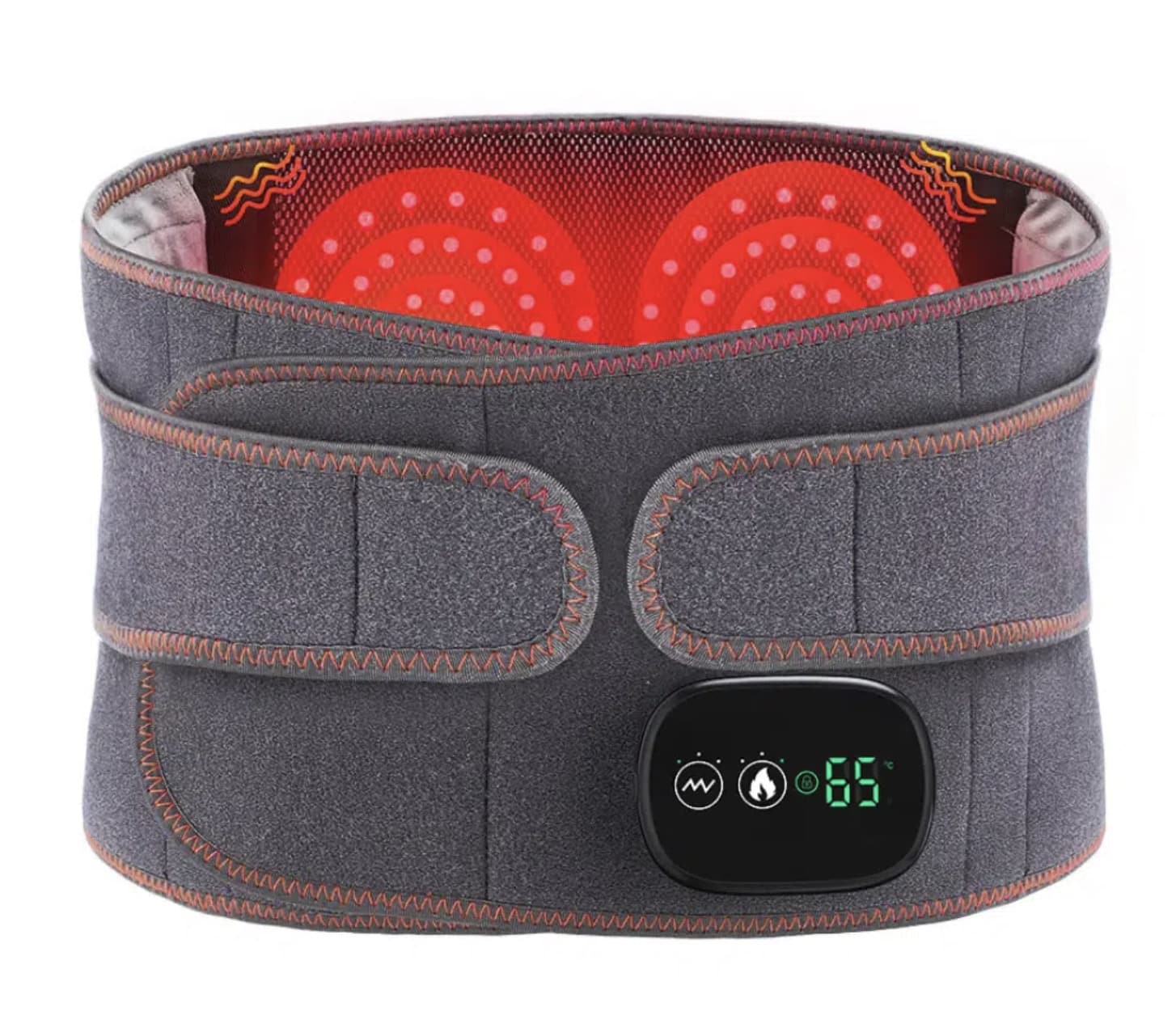
When the Hatch Belt arrived, I was struck by its sleek, contemporary design. The packaging was compact and user-friendly, reflecting attention to both presentation and functionality. Inside, the main components included the belt itself, a charging cable, and a concise but clear instruction manual.
Examining the Hatch Belt, I was impressed by the quality of materials—the fabric felt durable yet soft against the skin, with reinforced seams to withstand frequent use. Its adjustable Velcro closure ensures a snug, customizable fit for various body shapes, making it suitable for both lean and robust builds.
One of the main draws of the Hatch Belt is its multi-therapy approach, combining thermotherapy (heat therapy), vibration-based massage, and red light therapy. As someone who has instructed patients in each of these modalities individually, witnessing all three integrated in a single device was immediately encouraging.
Setup and Ease of Use
Setting up the Hatch Belt required only a few simple steps: charging the device, adjusting the fit around the lower back, and selecting therapy preferences using the intuitive touchscreen controls. Thanks to its rechargeable battery system, portability was never an issue—I could use the belt while reading, working at my desk, or even walking around my home.
The user interface allowed straightforward customization of each therapy mode:
- Adjust thermotherapy settings from 45°C to 65°C
- Select massage patterns and intensities
- Choose desired duration for each session
- Activate red light therapy independently or in tandem with the other functions
For users unaccustomed to tech gear, the manual provides easily digestible instructions. In only a few minutes, I was ready for my first session.
The Testing Period: Personal Experience
Thermotherapy
For my baseline, I began with thermotherapy. Within a couple of minutes, the built-in heating plates delivered soothing warmth directly to my lumbar area. As expected, the adjustable temperature range allowed me to tailor the intensity—lower settings provided gentle comfort, while higher settings penetrated deeper for intense soreness. The heat was even, and the device never became uncomfortably hot.
The result after twenty minutes was notable: muscle stiffness and tension—a familiar discomfort from hours at my workstation—had subsided, replaced by a feeling of relaxation. This aligns with clinical literature showing that localized heat increases blood circulation, speeds up healing, and alleviates lower back tightness.
Massage Therapy
Switching to massage therapy, the Hatch Belt offered a selection of rhythmic and pulsating vibrations. With dual motors operating in tandem, I could easily fine-tune intensity according to my needs—lower settings for daily maintenance, higher ones following physically demanding days.
Unlike cheaper massage wearables, the vibration was powerful without being jarring. Paired with heat, it provided a cumulative effect—relieving both surface tension and deeper muscular knots. Over the next week, I found myself reaching for the massage option after both workouts and long clinic days, appreciating the flexibility to choose from several massage modes.
Red Light Therapy
Perhaps the most technically advanced feature, red light therapy uses a 750nm near-infrared wavelength (inspired by NASA-developed research) to penetrate muscle and joint tissue. As a clinician, I know red light therapy is becoming increasingly prevalent in sports medicine for its effects on cellular regeneration and inflammation. The Hatch Belt’s implementation allowed simultaneous use with heat or massage—a notable convenience.
On days where my lower back felt especially sore—after long hours standing in surgery or during heavy lifting sessions—I used the red light mode religiously. While the effects are more subtle compared to the immediate sensation of heat or vibration, I did observe an accelerated recovery over repeated sessions. Soreness dissipated faster, and overall mobility improved.
Day-to-Day Usability: Integration with Lifestyle
What sets the Hatch Belt apart from traditional back therapy products is its sheer convenience and thoughtfulness. The cordless, lightweight design and rechargeable battery meant there was no need to be tethered to a wall outlet or confined to a chair. I could use the belt during Zoom calls, while cooking, or even while taking a quick walk around the neighborhood.
Cleaning was also hassle-free—removing the cover for occasional hand washing kept things hygienic. The device held a charge sufficiently for multiple sessions before needing a recharge.
It is also important to highlight safety. The Hatch Belt has built-in protections against overheating and sustained use, giving peace of mind for those worried about falling asleep during therapy.
Results: Clinical and Personal Outcomes
After four weeks of consistent use—1-2 sessions daily—I documented the following effects:
- Reduced Muscle Tension: Noticeable loosening of lower back muscles, with fewer spasms after strenuous activity
- Decreased Stiffness: Improved flexibility in the lumbar region, especially after long periods of sitting
- Enhanced Recovery: Soreness and fatigue dissipated faster—a boon after intensive exercise sessions
- General Wellbeing: The combination of warmth, massage, and soothing red light fostered a sense of well-being, promoting relaxation and better sleep quality
- No Adverse Effects: No skin irritation or discomfort, even after repeated use
Throughout the month, I also shared the belt with a few patients (with their consent and following hygiene protocols), particularly those with chronic muscle pain, mild herniated discs, and postural strains. The feedback was overwhelmingly positive—within one or two uses, most experienced a decrease in pain severity and increased range of motion.
Professional Assessment and Recommendations
The Hatch Belt is more than a gadget—it’s a comprehensive, user-centered therapy tool. As a health expert, I appreciate its grounding in established scientific modalities, its real-world effectiveness, and its accessibility for patients who might not have immediate access to in-person physical therapy.
Who is it for?
- Individuals with mild to moderate chronic back pain
- People recovering from minor injuries or post-surgical stiffness (after consulting a physician)
- Those who spend long hours sitting or standing (office workers, teachers, healthcare workers)
- Fitness enthusiasts seeking a portable recovery aid
That said, the Hatch Belt is not a substitute for professional medical evaluation when severe or persistent pain is present. However, for day-to-day maintenance, acute soreness, and complementary therapy, it is an outstanding choice.
Is the Hatch Belt Worth Buying?
In my professional and personal opinion, the answer is unquestionably yes. The Hatch Belt‘s combination of heat, massage, and red light therapy offers an efficient, drug-free solution for back pain sufferers. Its usability, portability, and immediate results set it apart from conventional heating pads and static massage devices.
Whether you’re a desk-bound professional, a sports enthusiast, or someone managing chronic back issues, the Hatch Belt empowers you to take an active role in your well-being—right from the comfort of your home. With its consistent performance, robust design, and user-friendly features, it is most certainly worth buying for anyone serious about tackling back pain and improving daily comfort.

Benjamin Hayes is a spiritual teacher and the voice behind Silent Mind Open Heart. Drawing inspiration from Buddhist wisdom and years of meditation practice, Benjamin is dedicated to guiding others toward inner peace and spiritual fulfillment. Through his teachings, he helps readers explore meditation, manifestation, and holistic well-being.