
As a sleep specialist with over a decade of experience addressing the many faces of snoring and sleep apnea, I have tested an array of solutions ranging from conservative lifestyle adjustments and traditional CPAP therapy to the latest wave of wearable sleep technology. Recently, I spent several weeks putting the Z3 Pro Anti-Snoring Device to the test—a device stirring considerable buzz as a non-invasive alternative to bulky machines and cumbersome mouth guards. Here is my in-depth, first-person review of the Z3 Pro, from the moment I opened the box to waking up refreshed and, for once, undisturbed by my own snoring.
Table of Contents
First Impressions and Setup
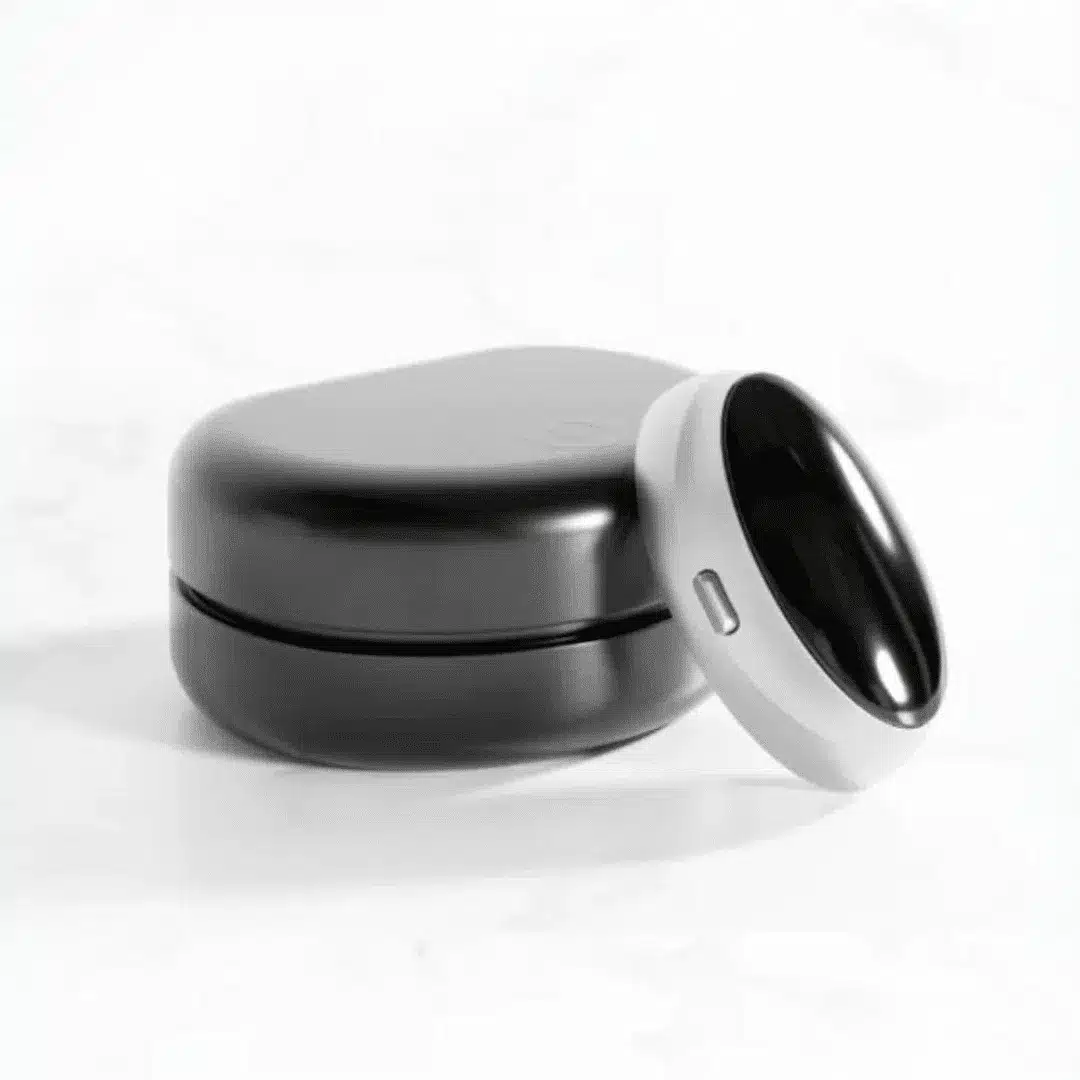
The Z3 Pro arrived in a neatly packaged box, accompanied by clear instructions, a charging cable, and a handful of medical-grade adhesive patches for wearing the device beneath the chin. The device itself is lightweight and discreet—significantly smaller and more comfortable than many apparatuses I’ve evaluated in my clinic. Setting up the Z3 Pro required less than five minutes: a straightforward process of attaching an adhesive patch to the device, charging it for an hour, and pairing it with a user-friendly mobile app for initial configuration.
Design and Comfort
As someone who’s sensitive to overnight gadgets and extra weight on the face, I was immediately curious about how the Z3 Pro would feel after several hours. To its credit, the Z3 Pro proved to be exceptionally comfortable—even with side sleeping. The hypoallergenic patch held firmly all night, yet it detached in the morning without irritation. The device’s low profile ensures it doesn’t feel intrusive, and its silence (no whirring motors or buzzing fans) sets it apart from many sleep aids that risk disturbing the sleeper or their partner.
How the Z3 Pro Works
What makes the Z3 Pro unique is its application of electrical muscle stimulation (EMS), a technology widely used in physical rehabilitation, now adapted to target the root cause of snoring: muscular relaxation in the throat and airway during sleep. As described in its documentation, the Z3 Pro detects the sound vibrations of snoring, then gently stimulates the suprahyoid muscles beneath the chin. The premise—supported by preliminary research in related devices—is that regular stimulation retrains and tones these muscles, reducing their tendency to collapse. The device comes with three intensity modes, allowing users to adjust the strength of the micro-stimulation for maximum comfort.
Nightly Experience and Ease of Use
The first night, after selecting the lowest intensity setting, I went to bed with my usual routine. As expected, I felt a very mild tingling—less intrusive than anticipated. Despite my initial skepticism, I fell asleep easily, and throughout the night, I was unaware of any disturbances. Each morning, the Z3 Pro’s app presented a summary of my snoring episodes and interventions, giving me valuable insights into my sleep patterns. The data showed that the frequency and duration of my snoring decreased notably by the end of the first week. My partner (always a reliable judge) confirmed a significant decrease in loud snoring episodes from the start.
Positive Outcomes
Over the span of four weeks, I observed progressive improvement not only in the objective data—fewer and shorter snoring episodes—but also in my subjective sleep quality. Here are the most notable benefits I experienced:
-
Marked Reduction in Snoring: By the second week, both my app log and my partner’s gentle nudges indicated snoring volume and interruptions had diminished. By the fourth week, I experienced nights with no memorable snoring at all.
-
Improved Daytime Energy: Without frequent arousals, I woke feeling better rested and less fatigued, a boon for anyone who struggles with the after-effects of fragmented sleep.
-
Non-Disruptive Design: No negative impact on my natural sleep position, no feelings of suffocation, and no cumbersome apparatus to clean or maintain.
-
Easy Maintenance: The device charges quickly, and the adhesive patches are long-lasting. Cleaning is minimal—just a wipe with a damp cloth as needed.
-
Objective Feedback: The companion mobile app provided useful summaries, allowing me to fine-tune settings and track progress over time.
-
Potential for Graduated Independence: The Z3 Pro markets itself as a muscle trainer; I found myself needing the lower intensity by week four, suggesting my throat muscles had strengthened—a phenomenon I see paralleled in clinical myofunctional therapy.
Comparing With Other Anti-Snoring Solutions
As a clinician, I routinely see the frustrations patients face with CPAP machines (noise, bulk, discomfort), mandibular advancement devices (jaw pain, tooth movement), and even surgical options. While those treatments remain necessary for moderate to severe obstructive sleep apnea, the Z3 Pro fills a unique gap for:
-
Individuals with mild to moderate, non-apnea-related snoring
-
Patients intolerant of oral or nasal devices
-
Those seeking incremental, non-invasive muscle training
It’s important to note, however, that for severe sleep apnea or patients with complex medical histories, the Z3 Pro is not a replacement for professional diagnosis or proven medical therapies. Instead, it shines as a safe, simple alternative for the vast population frustrated by “benign” but disruptive snoring.
User Education and Support
One area where the Z3 Pro excels is in its patient-focused education. The included printed materials and app-based tips stressed the importance of ongoing use, gradual intensity increases, and realistic goal-setting. Manufacturer support was prompt in answering technical questions, and no hidden upsells were encountered following purchase.
Cautions and Limitations
Despite my overwhelmingly positive experience, honesty requires addressing the device’s limitations. The Z3 Pro worked well for me, but snoring is multi-factorial; not every user may experience the same reduction. Individuals with anatomical abnormalities, severe sleep apnea, or multiple failed interventions should still consult a healthcare provider. Furthermore, while the company suggests “clinical validation,” accessible, published, independently-reviewed scientific data is limited. Responsible users should approach these claims with healthy skepticism, even as they benefit from real-world use.
Final Verdict: Is It Worth Buying?
After a full month of nightly use, I can comfortably say the Z3 Pro Anti-Snoring Device surpassed my expectations. As a sleep expert, I value interventions that blend comfort, scientific rationale, and real results without disrupting the delicate balance of nighttime rest. The Z3 Pro fits this niche: it’s easy to use, barely noticeable during sleep, and—most importantly—produced meaningful improvement in my own and my partner’s sleep quality. For those suffering from chronic snoring not due to severe apnea, the Z3 Pro is worth buying: it’s a smart, low-risk investment in quiet nights and refreshed mornings.

Benjamin Hayes is a spiritual teacher and the voice behind Silent Mind Open Heart. Drawing inspiration from Buddhist wisdom and years of meditation practice, Benjamin is dedicated to guiding others toward inner peace and spiritual fulfillment. Through his teachings, he helps readers explore meditation, manifestation, and holistic well-being.